Food Safety Solutions Brampton
Commercial cleaning and food safety professionals in Brampton assist food establishments, commissaries, bakeries, warehouses, and mobile food services staying compliant. They sanitize regularly touched surfaces, food preparation surfaces, equipment, floors, read this article drains, restrooms, and prep zones with approved chemicals, at correct dilution, and documenting contact times. You need regular sanitation determined by risk, volume, food allergies, and inspections, along with documented proof backing HACCP, quality reviews, and public health compliance. The following information outlines how effective cleaning systems must contain.
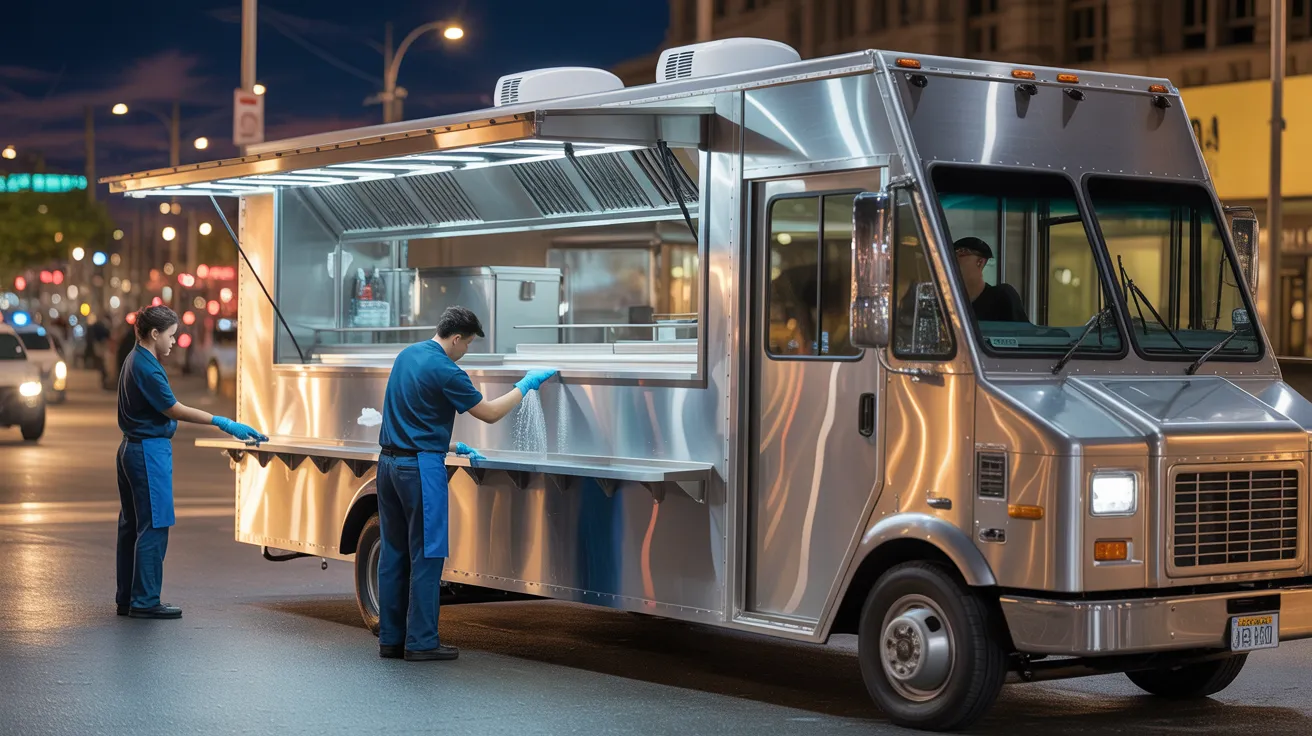
Important Highlights
- Sanitation experts from Brampton work with restaurants, grocery departments, commissaries, warehouses, bakeries, schools, mobile vendors, and allergen-sensitive operations.
- Sectional methods sanitize high-touch surfaces, food-contact equipment, kitchens, floors, drains, restrooms, and storage areas for reducing cross-contamination.
- Validation of approved sanitizer dilution, alignment, and exposure duration is conducted by approved specialists, with conclusion recorded using samples, reviews, and remedial documentation.
- Proper hygiene calendars factor in hazard, throughput, switches, releases, and regulations when allocating daily, periodic, and periodic tasks by section.
- Suppliers must possess HACCP, health regulatory knowledge, safety training instruction, coverage, credentials, color-categorized implements, and audit-ready sanitation files.
Food Safety Cleaning Requirements for Brampton Operations
You must follow food safety cleaning if your facility is covered by health department oversight, food standards, or HACCP requirements. This covers food venues, break rooms, food centers, supermarket areas, butcheries, seafood displays, shops, and commercial food prep.
Documented food sanitation is equally necessary in warehouses, food manufacturing plants, cold storage sites, retail bakeries, school nutrition programs, banquet halls, and meal delivery hubs. Mobile and temporary operations count as well, including catering vehicles, festival sellers, and pop-up stands. Your establishment must have recorded sanitation procedures when your staff handle raw materials, divide prepared foods, warm meals, or maintain allergen storage. In Brampton, sanitation remains not optional; it represents legal, operational, and consumer protection compliance.
What Do Brampton Cleaning Experts Clean?
You need cleaning experts who disinfect frequently contacted areas, kitchen areas, floor surfaces, and restrooms to meet food safety and public health standards. They focus on these spaces because they present the highest risk for cross-contamination, slipping risks, and sanitation breaches.
Understanding their cleaning procedures allows you to confirm your facility's cleaning meets operational demands and regulatory compliance.
Prioritizing High-Touch Surface Cleaning
establish a disinfection protocol
By replacing cloths, maintaining unidirectional systems, and organizing sanitization equipment according to section, you maintain a measurable, defensible, and inspection-ready cleaning plan.
Kitchens, Floors, and Restrooms
Expect Brampton cleaning experts to focus on kitchens, floors, and restrooms because each area carries distinct food safety, accident prevention, and sanitation risks. In industrial kitchens, you need degreasing on cook lines, equipment exteriors, drains, prep surfaces, and splash zones to reduce bacterial growth and pest activity.
Floor care that is documented should also be anticipated. Technicians clean and remove buildup from grout, tile, and vinyl flooring, then apply suitable dehydration methods so you can reduce slip incidents and maintain code-compliant conditions. They also address entryways where moisture and debris migrate indoors.
Restroom sanitation requires disinfecting touch areas, bathroom equipment, stall barriers, supply stations, and bins, replacing items and managing smells. They also maintain restaurant cleaning supply rooms where product storage, sink cleanliness, and drain systems impact daily sanitation standards and worker protection.
Why Food Safety Cleaning Matters in Brampton
To adhere to regulatory mandates and pass inspections, Brampton establishments must follow food-safe cleaning standards. You also minimize bacterial spread through proper cleaning of food-preparation surfaces, appliances, and frequently-touched items. Most importantly, you safeguard community wellness by reducing the chance of food poisoning in your establishment.
Health Code Compliance
Because Brampton food operations operate under stringent health requirements, food safety cleaning directly influences your capability to fulfill health code requirements, defend customers, and eliminate enforcement action. You must maintain clean food preparation areas, verifiable cleaning logs, correct sanitizer application, and verifiable staff procedures that comply with municipal and provincial inspection expectations.
During inspections of your operation, regulators check if your cleaning procedures ensures safe storage, tool sterilization, garbage disposal, and bathroom upkeep.
Contamination Prevention
Adhering to regulatory guidelines requires your expertise in stopping cross-contamination throughout daily food handling and cleaning. You need to isolate uncooked items from finished products, clean prep surfaces between tasks, and keep chemicals away from food-contact items. Organized systems minimize contamination events and ensure consistent compliance during inspections.
Building allergen segregation prevents priority allergens from contacting shared surfaces, containers, or equipment. Leverage separate cutting boards, colored implements, and precise instrument labeling so team members won't blend products during preparation or service.Mandate hand cleaning following raw meat, seafood, eggs, or allergen-containing products. Refresh cleaning cloths frequently, and confirm sanitizer strength with test strips. When your team follows these practices every shift, you foster a cleaner, more secure operation that meets Brampton's food safety expectations daily.
Public Health Protection
When food safety cleaning breaks down, you don't just face inspection failure—you increase the chance of foodborne illness affecting customers, staff, and the wider Brampton community. You also weaken your role in protecting public health, especially in busy food facilities where contamination can spread quickly through surfaces, equipment, and touchpoints.
You need sanitation procedures that eliminate contaminants, sanitize correctly, and confirm effectiveness. That requires adhering to exposure periods, using approved disinfectants, recording cleaning times, and educating employees to meet health-unit expectations. These controls support pathogen reduction by reducing pathogens before they reach food or hands. In Brampton, rigorous cleaning protects vulnerable populations, limits outbreak potential, and enables you to show due diligence. When you maintain proper standards, you exceed basic requirements—you substantially decrease danger and promote secure food handling citywide.
How Does Cleaning Support Food Safety Compliance?
Maintaining comprehensive cleaning schedules supports food safety compliance by minimizing contamination hazards, controlling pathogen growth, and keeping your facility meeting sanitation requirements under HACCP-based programs and public health regulations. You confirm that food-contact surfaces appear visibly clean and microbiologically controlled, enabling documented preventive controls and inspection readiness.
Systematic cleaning moreover strengthens allergen control by extracting residues that can lead to undeclared allergen exposure. When you combine validated sanitation procedures with standards training, your staff can follow uniform procedures, handle approved chemicals correctly, maintain records thoroughly, and handle variations ahead of issues intensify. Ongoing cleaning enables audit trails, verifies remediation efforts, and demonstrates responsibility throughout audits. Furthermore, it aids you preserve quality assurance, maintain operational compliance, and reduce the possibility of punitive measures, mass recalls, customer complaints, and unnecessary health hazards.
What's the Best Time to Schedule Commercial Cleaning?
Schedules for cleaning perform best when developed based on risk, production volume, and regulatory requirements instead of just a predetermined calendar.
Establish weekly or every month maintenance on drain systems, vents, storage racks, and difficult-to-access zones, determined by inspection findings and sanitation records. Dedicate seasonal deep cleaning to cover shutdowns, weather-related soil buildup, or pest-pressure periods
Selecting the Right Brampton Cleaning Experts: Key Considerations
Start by screening providers against food-safe sanitation requirements, not cost only. You should verify that each company understands CFIA, public health, and HACCP compliance standards relevant to your facility. Ask for proof of insurance, WHMIS compliance, documented staff training, and supervision practices. Review whether technicians understand cross-contamination risks, chemical handling, and traceable sanitation records.
You should also assess business dependability and accountability. Request references from Brampton food businesses, then examine response times, corrective actions, and communication standards. Confirm the company supports supplier audits and can present inspection-ready documentation when regulators or third parties request evidence. Check whether equipment maintenance is performed, colour-coded tools are used appropriately, and site-specific hazards are recognized. A competent service protects regulatory adherence, product quality, and your brand reputation.
What's covered in a Food Safety Cleaning Plan?
Create a documented strategy that makes clear every sanitation task, standard, and responsibility before production begins. You should outline cleaning frequencies, approved chemicals, dilution rates, contact times, tools, and verification methods for each zone, surface, and piece of equipment. Incorporate pre-operational inspections, corrective actions, and employee training requirements.
Your plan should also include cross-contamination prevention, waste disposal, pest management measures, and scheduled documentation for bathrooms, drainage, ground surfaces, and food-handling zones. Specify how you'll separate raw and ready-to-eat processes, support ingredient tracking, and maintain accurate allergen labeling through validated cleaning between product changes. You should establish accountability, maintain signed records, and review results against regulatory standards, HACCP controls, and customer requirements. When gaps appear, adjust procedures immediately and retrain staff.
Regular Posed Questions
Will cleaning services handle overnight shifts at Brampton facilities?
Yes, you can book sanitation coverage to support overnight shifts in Brampton facilities. You'll coordinate nighttime cleaning around production schedules, security protocols, and personnel needs. Services typically establish nighttime procedures to reduce interruption, stay compliant, and record finished tasks. You should verify response times, management, access procedures, and waste management before starting service.
Can Brampton cleaning experts manage hazardous incidents?
Yes, you can locate several Brampton sanitation experts offering spill containment options. They handle contamination, evaluate risks, contain affected areas, and perform swift decontamination to minimize risk and limit operational impact. You should verify response times, certifications, protocols, and procedures. If your facility must meet standards, choose a service that documents incidents, follows procedures, and ensures verification.
Are environmentally safe disinfectants secure for food-handling equipment?
Definitely, plant-based sanitizers work safely on food-contact surfaces if you buy disinfectants approved for food contact that satisfy regulatory standards. You should check exposure duration, dilution rates, and rinse requirements before use. Botanical formulations decrease chemical burden, but you should obtain demonstration of efficacy against harmful bacteria. To maintain residue-free conditions, stick to manufacturer instructions exactly and validate your cleaning agent adheres to food industry regulations.
Will cleaning plans adapt to seasonal variations?
Yes, you can customize cleaning plans for seasonal production changes. You should adapt timing, personnel, sanitizers, and confirmation procedures to correspond to production rhythms while upholding regulatory compliance. You'll minimize equipment downtime by organizing sanitation around changeovers, maximum output, and usage cycles. You should additionally revise SSOPs, instruction programs, and environmental monitoring to account for transient threats, novel allergens, or elevated soil levels. Ongoing evaluations keep your plan current.
Do professional cleaning services train employees on hygiene standards?
Certainly, professional cleaning experts train your employees on sanitation best practices. You secure staff training on proper chemical use, processing times, cross-contamination prevention, machine disassembly, and documentation procedures. They generally coordinate coaching with HACCP, GMP, and CFIA or local public health requirements. Many also run health assessments to check standards, uncover shortcomings, and strengthen corrective measures. This helps you maintain consistent procedures, satisfy audits, and reduce food safety risks daily.
Summary
Partnering with Brampton food safety and commercial cleaning experts means more than cleaning—it ensures your facility stays inspection-compliant and your protocols are defensible. From processing facilities to kitchens, each cleaned area and organized section reduces health hazards and prevents major expenses. By scheduling maintenance at suitable frequencies and executing a comprehensive cleaning strategy, you shield staff, clients, and your image. In a heavily regulated sector, clean environments can't be overlooked—they're vital to proper management.